
Amazon Business Account Setup for US Sellers
Selling on Amazon starts with account structure, not ad spend. A weak registration process, mismatched documents, or poor configuration can delay launch, slow payouts, and create avoidable account issues before your first order goes live.
This page by Brandocks Amazon experts is built for new Amazon sellers, small business owners, ecommerce brands, founders, marketplace managers, and existing sellers who need help with verification, tax setup, payment setup, Brand Registry readiness, or account configuration. In other words, this seller-account setup service is for companies that want to sell on Amazon correctly, not for buyers opening a general procurement account.

Who This Amazon Account Setup Service Is For
- New Amazon sellers preparing to register and launch
- Small business owners bringing products to Amazon
- Ecommerce brands opening a new Amazon sales channel
- Founders who want guided or done-for-you setup
- Marketplace managers handling account creation internally
- Existing sellers fixing verification, tax, payout, or Brand Registry issues
Who This Service Is
Not For
- Buyers trying to open a general Amazon Business procurement account
- Users looking only for basic Amazon definitions
- Sellers who want a fully DIY process with no implementation help
- Businesses that are not ready with legal, tax, banking, or product details
Why Brandock Is the Right Partner for
Amazon Business Account Setup
A strong Amazon Business Account Setup does more than open an account. It reduces launch friction, lowers the chance of document mismatch, and creates a cleaner starting point for listings, fulfillment, account health, and growth.
1. Clear Guidance Through Registration and Verification
You get a guided path through registration, verification, tax setup, and core account decisions. That reduces guesswork at the stage where new sellers lose the most time.
2. Setup Logic That Matches Your Business Model
A private-label brand, a wholesale business, and a catalog-heavy ecommerce company do not need the same setup logic. The work is shaped around how you plan to sell, what you plan to list, and how your operation will scale.
3. Faster Launch With Less Rework
The biggest time savings usually come from avoiding avoidable mistakes. Cleaner inputs, matched records, and a better setup flow help reduce approval delays and back-and-forth corrections.
4. Lower Early-Stage Compliance Risk
The goal is not only to get approved. The goal is to reduce preventable issues in verification, payments, tax settings, category readiness, and account configuration before selling begins.
5. A Better Foundation for Growth
The account should be built for what comes next. When setup is handled correctly, adding products, assigning users, adjusting fulfillment, and moving into management or PPC becomes much easier.
Brandock’s Amazon Business Account Setup Process
Pre-Registration Preparation
The process starts with documentation review, business-detail matching, and readiness checks before anything is submitted. That includes confirming your legal business name, tax information, banking details, and the records that need to align across the account.
Account Creation and Verification
Your Seller Central account is created with the right plan and the right business details from the beginning. For reference, you can also review Amazon’s official Amazon Seller Central account setup guide while we manage the setup process around it.
Business Information Setup
Business information, tax settings, and operating preferences need to match your records exactly. This is where many new sellers create future problems without realizing it.
Payment and Billing Configuration
Payout routing, credit card details, and billing controls must be configured with precision. A weak setup here can slow disbursements, create account friction, or trigger avoidable troubleshooting later.
Product Catalog Foundation
Catalog structure affects visibility, compliance, and launch speed. This phase covers category direction, identifier readiness, and the early setup decisions that shape how your products enter the marketplace. If you also need listing support, keep the existing link to Product Listing.
Storefront Creation and Branding
Your storefront should communicate legitimacy, not just existence. A clean branded presence supports trust, improves navigation, and gives customers a stronger first impression.
Policy and Compliance Setup
Shipping settings, returns, user access, and operational policies should be configured before the account goes live at scale. The point is to reduce preventable issues before orders begin flowing in.
Initial Launch Strategy
Approval is only the first checkpoint. A better setup includes a practical launch path for the first 30 to 60 days, plus a clean handoff into Amazon Account Management Services if ongoing operational support is needed.
What You Get From Our Amazon
Business Account Setup Service
We at Brandock provide a comprehensive Amazon business account setup service, including
Complete Registration Assistance
- Business structure and registration-readiness review
- Document preparation and verification support
- Video interview preparation
- Account type selection guidance
- Multi-marketplace planning where relevant
Technical Account Configuration
- Tax settings setup
- Payment method verification
- Shipping template creation
- Return settings configuration
- User access and notification preferences
Brand and Compliance Support
- Amazon Brand Registry readiness support
- Trademark coordination
- Category approval support
- Product compliance review
- Restricted product guidance
Fulfillment Setup Services
- FBA vs FBM decision support
- Inventory and workflow planning
- Returns and carrier considerations
- Hybrid fulfillment logic
- Hand-off into FBA Wholesale Automation where it fits the model
Storefront Development
- Store structure recommendations
- Brand asset integration
- Navigation planning
- Mobile review
- Analytics readiness setup
Training and Documentation
- Seller Central orientation
- Policy education
- Performance metric overview
- Operating documentation
- Post-launch traffic planning with a natural bridge into Amazon PPC Management
Amazon Account Types You Need to Know

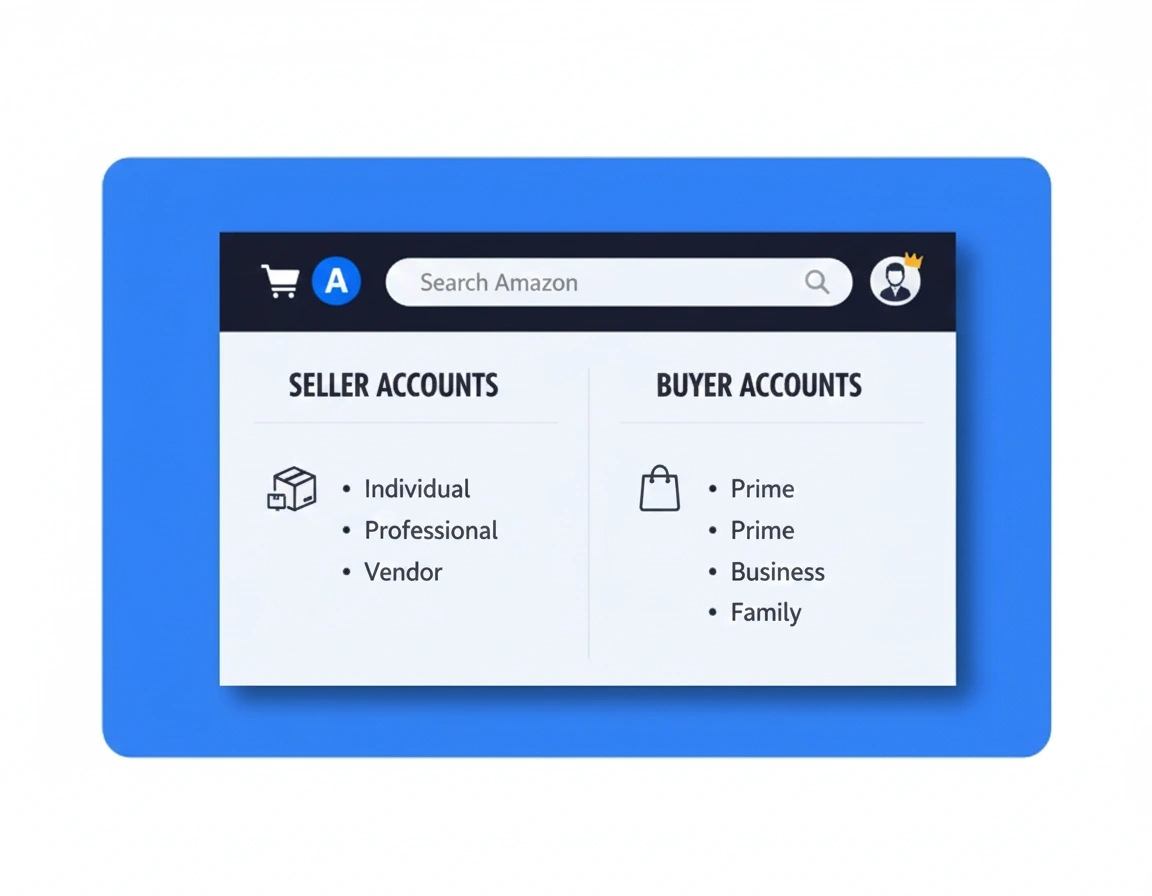

Amazon Seller Individual Account
This option is often best for testing the marketplace at lower volume. It keeps fixed monthly cost lower, but it limits access to some tools and is less practical once growth matters.
Professional Seller Account
This option is built for sellers who want broader tools, advertising access, and more operational flexibility. It is usually the better fit when volume, reporting, and scale matter.
Amazon Vendor Central
Vendor Central is typically used by manufacturers and distributors selling wholesale to Amazon under an invite-based model. It changes the commercial relationship and the level of control you keep.
Amazon Business (B2B)
This is relevant when you want to sell to business buyers with B2B pricing and purchasing controls. It matters most when your catalog and sales model extend beyond standard consumer demand.
Build a Stronger Amazon Seller Account From Day One
Get Amazon business account setup support designed for US sellers who want a scalable account structure, not just basic registration help.
Amazon Fulfillment Options:
FBA vs FBM vs Hybrid
| Method | Overview | Best For | Key Benefit |
|---|---|---|---|
| FBA | Amazon stores, packs, ships, and handles customer service. | Fast-moving products and sellers focused on scale. | Prime eligibility, faster delivery, lower operational load |
| FBM | You store and ship orders yourself and manage customer service. | Oversized, custom, or margin-sensitive products. | More control, lower fees in some cases, custom shipping flexibility |
| Hybrid | A mix of FBA and FBM based on product type and margin logic. | Catalogs with different fulfillment needs. | More flexibility across cost, speed, and customer experience |
Common Amazon Business Account
Setup Challenges We Help You Avoid
Document Verification Delays
Approval slows down when business records, IDs, and submitted details do not line up. Cleaner inputs reduce the chance of getting stuck in avoidable review loops.
Tax Compliance Confusion
Tax settings are easy to underestimate and expensive to correct later. Early accuracy creates a stronger operating position than backtracking after the account is live.
Category Restrictions and Ungating
Restricted categories are not just a catalog issue. They affect launch timing, listing strategy, and inventory planning.
Payment Method Issues
Bank mismatches and billing-detail errors can disrupt payouts quickly. Payment setup should be treated like a revenue-control function, not a minor admin task.
Policy Violations
Many early policy issues come from weak setup discipline, unclear responsibility, or assumptions made too early. Cleaner configuration reduces those preventable risks.
Industries We Help Launch on Amazon
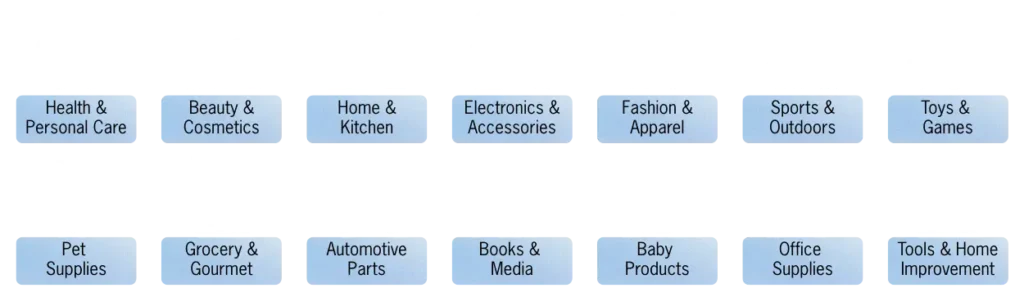
This service fits product-based businesses where launch speed, compliance clarity, and listing structure directly affect revenue. That includes health and personal care, beauty, home and kitchen, electronics, apparel, sports and outdoors, toys, pet products, grocery, automotive, books, baby, office products, and tools.
What Better Setup Looks Like
- Faster progress through verification and account configuration
- Cleaner tax, payout, and policy setup
- Less rework after launch
- Fewer document mismatches and fewer avoidable corrections
- Better readiness for listings and Brand Registry
- A stronger base for fulfillment, management, and PPC
Success Metrics We Deliver
Account Health Excellence
A stronger setup reduces preventable friction after launch and creates a healthier operating base from day one. That means fewer setup-related issues in the first 30 to 60 days and a cleaner path into ongoing selling activity.
Fast Launch Timeline
The goal is not just speed, but speed with fewer errors and less rework. A well-managed setup process can typically move from kickoff to submission in 5 to 10 business days, while reducing avoidable verification resubmissions through cleaner documentation and account configuration.
Compliance Confidence
A clean setup gives sellers more clarity around verification, tax, payout, and policy-sensitive settings. In practice, that means stronger first-pass documentation quality, clearer visibility into critical setup checkpoints, and fewer preventable configuration mistakes before launch.
Scalability Foundation
The setup should support smoother growth after approval, not force structural fixes later. A stronger account foundation makes it easier to launch 10 to 50 SKUs, adjust fulfillment settings, and transition faster into account management or PPC support when growth demands it
Checklist: What You Need to Get Started
- Government-issued ID
- EIN or other tax identification details
- Chargeable credit card
- UPC or GTIN information where applicable
- Legal business registration documents
- Bank account verification details
- Product catalog details
- Trademark documents if applicable
Frequently Asked Questions (FAQ)
Timelines vary, but cleaner records and better-prepared submissions usually improve the odds of a smoother review process.
No. But trademark documentation is often needed for Brand Registry readiness and related brand-protection workflows.
If you are testing the marketplace at low volume, Individual may work. If you need more tools, ads access, and room to scale, Professional is usually the better fit.
Yes. Category approvals are part of launch readiness because they affect timing, listing strategy, and the practical path to selling.
Yes. The setup can transition into ongoing operational support, including Amazon Account Management Services.
Traffic does not come from setup alone. After launch, the next step is stronger listings, conversion structure, and paid visibility through Amazon PPC Management.

Launch on Amazon With Less Risk and Less Delay
Set up your Amazon seller account with clearer documentation, stronger compliance alignment, and faster operational readiness.


 Generating Millions in
